


Why and How to Disconnect to Protect Your Well-Being
Posté le
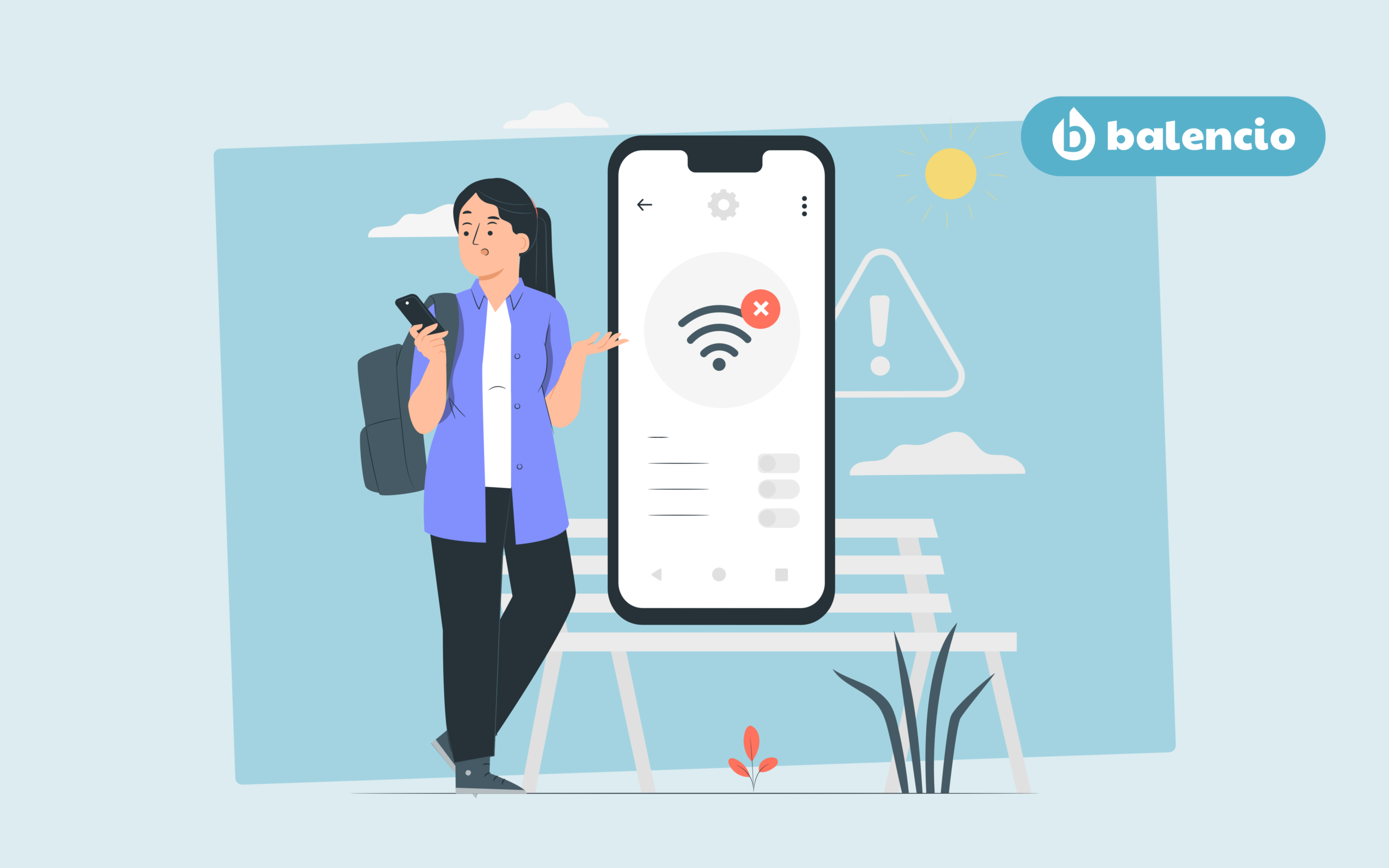
Smartphones checked more than 150 times a day, endless notifications, days spent jumping between emails, video calls, and instant messaging: hyperconnectivity has become one of the major issues of our time. In response, the concept of a digital detox has emerged as an essential approach to preserving mental health, improving concentration, and enhancing the quality of human relationships.
In France, average screen time now exceeds 7 hours per day, and 7 out of 10 employees report experiencing digital fatigue. This comprehensive guide explains what a digital detox is, why it has become crucial in the workplace, and how to implement it daily, both individually and across organizations.
Key takeaways
- A digital detox means regaining control over screen usage to reduce mental overload, improve focus, and protect mental health.
- In France, employees spend more than 7 hours a day in front of screens and check their smartphones up to 200 times daily, fueling stress and digital fatigue.
- Common warning signs include difficulty concentrating, sleep disorders, anxiety linked to notifications, and professional hyperconnectivity.
- Simple actions can have a major impact: disabling notifications, creating screen-free periods, removing phones from the bedroom, and practicing disconnected weekends.
- In companies, a structured disconnection policy improves well-being, reduces burnout risk, and supports long-term employee engagement.
What Is a Digital Detox?
A digital detox refers to a short or extended period during which a person voluntarily refrains from using digital devices such as smartphones, tablets, computers, televisions, and social media in order to reduce mental overload and restore balance.
The goal is not to demonize technology, but to regain control over it so that it once again becomes a tool serving people, rather than the other way around.
A digital detox can take many forms:
– disabling notifications,
– taking a few hours offline each day,
– screen-free days,
– disconnected weekends,
– multi-day digital detox retreats,
– or workplace disconnection policies.
Whatever the format, the principle remains the same: reclaiming attention, sleep, and time.
The Origins of the Concept
The term “digital detox” became popular in the 2010s alongside the widespread adoption of smartphones and the explosion of social media. It entered the Oxford Dictionary in 2013 and now represents a broader social movement supported by cognitive scientists, occupational psychologists, and pioneering companies focused on workplace quality of life.
Why Do a Digital Detox? The Numbers Behind Hyperconnectivity
Understanding the scale of the problem is the first step toward addressing it. Recent figures highlight the urgency of digital detox initiatives:
• The average French adult spends 7 hours and 15 minutes per day in front of screens across all uses (source: We Are Social, 2024).
• Smartphones are checked between 150 and 220 times daily depending on the individual — roughly every 6 to 10 minutes.
• More than 60% of employees check work emails outside working hours, including weekends and vacations.
• Nearly 80% of people aged 18–35 sleep with their phone nearby, directly impacting sleep quality.
• Disorders linked to hyperconnectivity (eye strain, sleep problems, anxiety, mental overload) are among the fastest-growing reasons for occupational health consultations.
This constant digital presence comes at a cost: fragmented attention, increased stress, poor sleep, and long-term effects on mental health and productivity.
Digital detox is no longer just a lifestyle trend — it has become a public health and sustainable performance issue.
Signs That It’s Time for a Digital Detox
Before starting a digital detox, it helps to recognize the warning signs. If several of the following feel familiar, it may be time to take action:
• You check your phone reflexively without a clear reason several times an hour.
• You feel anxious when your battery is low or you lose network access.
• You struggle to focus on a task for more than 20 minutes without checking notifications.
• You suffer from eye strain, frequent headaches, or neck pain (“text neck”).
• You have difficulty falling asleep or your sleep feels less restorative.
• You experience FOMO (fear of missing out).
• You check work messages in the evening, on weekends, or during holidays without real necessity.
• Your face-to-face relationships suffer because your attention is divided by screens.
Recognizing these signs is already a major first step. The next stage is building a structured approach to regain control.
Scientifically Proven Benefits of a Digital Detox
Numerous studies in neuroscience and occupational psychology have measured the concrete effects of digital detoxes, even short ones.
Better Sleep Quality
Blue light emitted by screens suppresses melatonin production and delays sleep onset. A simple rule such as “no screens one hour before bedtime” significantly improves sleep quality in less than two weeks, according to several INSERM studies.
Improved Concentration
Each notification interrupts the brain for an average of 64 seconds — the time needed to refocus on the original task. Reducing interruptions allows people to regain periods of deep concentration, or “deep work,” and significantly boosts productivity.
Reduced Stress and Anxiety
Constant scrolling through social media maintains a state of chronic alertness and continuous exposure to negative information. A digital detox lowers cortisol levels — the stress hormone — and promotes greater emotional stability.
Richer Human Relationships
Disconnecting means becoming truly available. In-person conversations become deeper, listening becomes more active, and both personal and professional relationships strengthen. This is often one of the most underestimated — yet most powerful — effects of digital detox.
How to Do a Digital Detox: 8 Practical Methods
To succeed with a digital detox, it’s better to progress gradually rather than impose strict bans that often lead to rebound behavior.
1. Define Your Goals and Motivations
Before disconnecting, ask yourself why:
– better sleep,
– more reading,
– more family time,
– improved concentration at work.
Without a clear intention, a digital detox rarely lasts.
2. Measure Your Actual Screen Time
Most smartphones now include screen time tracking. During the first week, simply observe your habits without changing anything. This objective snapshot often provides a surprising baseline for your digital detox journey.
3. Disable Non-Essential Notifications
This is the simplest and most impactful action.
Keep only truly essential notifications:
– phone calls,
– messages from close relatives.
Disable everything else:
– social media,
– games,
– shopping apps,
– non-urgent emails.
You’ll immediately regain several hours of attention each week.
4. Create Screen-Free Periods
Introduce disconnection rituals:
– no phone during the first hour of the morning,
– no screens at meals,
– no smartphone in the bedroom,
– no screens after 9 p.m.
Repeated consistently, these simple rules quickly become new habits.
5. Reclaim the Bedroom
Smartphones are among the biggest sleep disruptors. Removing them from the bedroom and replacing them with a traditional alarm clock is one of the most effective digital detox strategies.
This simple change can transform sleep quality within days.
6. Practice Disconnected Weekends
Once a month, schedule a fully disconnected weekend:
– no work messaging,
– no social media.
Use the time for offline activities:
– reading,
– walking,
– cooking,
– sports,
– board games.
The boost in energy by Monday is immediate.
7. Prioritize In-Person and Offline Alternatives
Replace screens with real-world alternatives:
– a paper book instead of an e-book,
– a walk instead of a podcast,
– coffee with a colleague instead of instant messaging.
Disconnection works better when something meaningful replaces screen time.
8. Use the Right Tools to Help
Ironically, some apps can support healthier digital habits:
– focus modes,
– app blockers,
– screen time trackers,
– apps like Forest or OffScreen.
Used wisely, these tools can become valuable allies for a sustainable digital detox.
Digital Detox in the Workplace: A Strategic Challenge
While digital detox begins as a personal initiative, it takes on its full importance in the workplace.
Professional hyperconnectivity is now one of the leading causes of chronic stress, exhaustion, and disengagement:
– nonstop emails,
– instant messaging,
– back-to-back video meetings,
– after-hours requests.
The boundary between work and personal life has become dangerously blurred.
In France, the right to disconnect has been part of labor law since the El Khomri law of 2017. Any company with more than 50 employees must negotiate how this right is implemented. Yet in practice, fewer than one-third of companies have a structured and enforced policy.
This is where HR departments can make a real difference.
Implementing a workplace digital detox strategy helps:
• reduce burnout risk and absenteeism,
• improve concentration and work quality through deep work periods,
• strengthen employee engagement and retention,
• make the company more attractive to younger generations entering the workforce.
How to Support Employees Through Digital Detox
An effective digital detox policy goes far beyond a poster in the cafeteria. It requires a structured, measurable approach embodied by leadership and managers.
Create a Meaningful Disconnection Charter
A useful charter should define clear rules:
– acceptable email hours,
– explicit rights not to respond outside working hours,
– limits on late-day meetings,
– one meeting-free day per week.
Most importantly, leadership and management must actively model these behaviors.
Train Managers in Digital Leadership
Managers play a decisive role.
When a manager sends emails at 10 p.m. or replies on Sundays, they send a powerful implicit message to their teams.
Training managers in:
– asynchronous communication,
– healthy disconnection habits,
– respect for personal time,
is one of the most powerful workplace digital detox levers.
Measure Perceived Digital Overload Through Continuous Listening
Hyperconnectivity doesn’t appear in traditional dashboards — it’s something employees feel.
Regular pulse surveys and targeted micro-feedback help organizations:
– measure perceived digital load,
– identify overloaded teams,
– act before exhaustion sets in.
This is precisely where human capital management solutions like Balencio create value: turning weak signals into concrete action plans.
Raise Awareness and Equip Employees
Beyond collective rules, employees can also be supported individually through:
– awareness workshops,
– conferences on sleep and concentration,
– self-assessment tools,
– internal feedback and testimonials.
Digital detox then becomes a shared culture rather than an imposed constraint.
Digital detox is neither a passing trend nor a radical practice reserved for a select few. It is a practical response to an increasingly intrusive digital environment whose effects on mental health, concentration, and work quality are now scientifically proven.
On an individual level, a few simple and consistent rules can sustainably transform our relationship with screens.
For companies, digital detox is becoming a genuine strategic lever for well-being, engagement, and performance — provided it is structured, measured, and embodied by leadership.
FAQ About Digital Detox
How Long Should a Digital Detox Last?
It depends on your goal.
Even a single screen-free day can improve sleep and concentration. A disconnected weekend creates a real recovery effect. To build lasting habits, experts recommend a gradual process over 4 to 6 weeks with rules integrated into daily life.
Do You Need to Completely Eliminate Screens?
No.
The purpose of a digital detox is not total abstinence — which is neither realistic nor sustainable — but conscious and intentional use of digital tools.
Long-term moderation is far more effective than extreme short-term restriction.
What Are the Best Digital Detox Retreats?
Many places now offer digital detox experiences:
– countryside lodges,
– monasteries,
– meditation retreats,
– hiking trips.
The key factor is limited or no Wi-Fi access combined with structured offline activities that genuinely engage both body and mind.
How Can You Avoid Rebounding After a Digital Detox?
To maintain the benefits, temporary disconnection must evolve into lasting habits:
– clear disconnection rules,
– evening rituals,
– phone-free periods,
– regular screen time monitoring.
A successful digital detox is one that becomes a healthier lifestyle rather than a short-lived break quickly forgotten after returning to daily routines.

Head of Research & Development
Table des matières
Les actualités RH de Balencio directement dans votre boîte mail
