


Hyperconnectivity : impacts and solutions in the workplace
Posté le
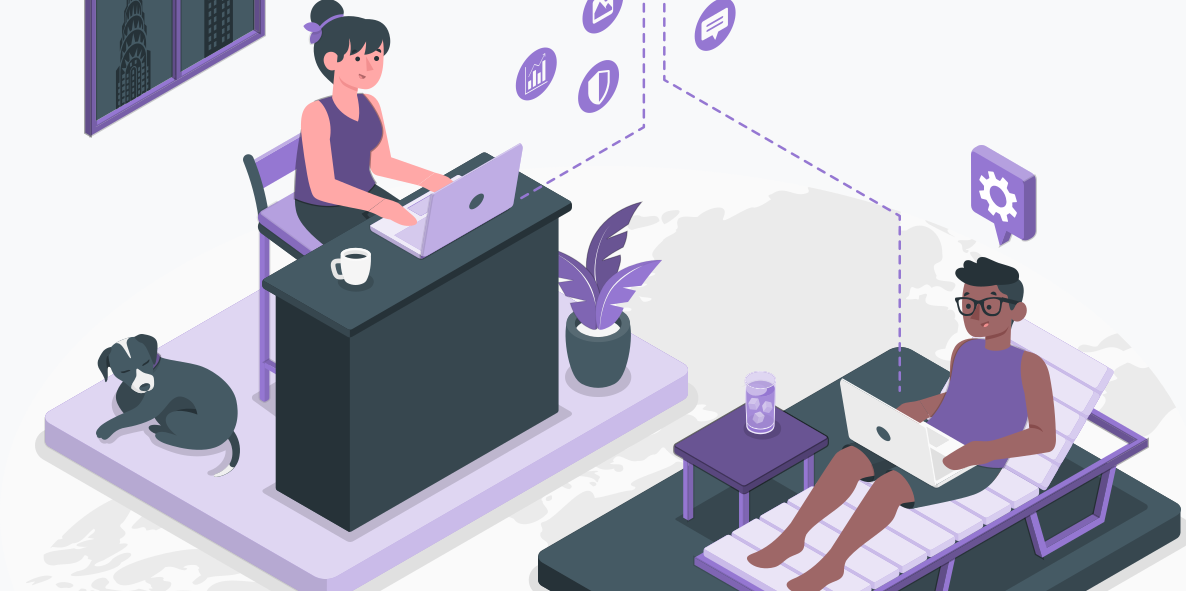
With easier access to the internet and an increase in remote working days, our digital usage habits have significantly evolved. The rise of digital technologies has brought its share of benefits and consequences, including hyperconnectivity.
What is hyperconnectivity ?
Hyperconnectivity is described as a permanent communication state with continuous information flow.
The rapid evolution of technology provides new digital services that allow anyone to remain reachable at all times. However, this new habit can be difficult for employees to manage. Indeed, even during well-deserved breaks, employees tend to stay connected—whether on their phone or computer—although their digital activity in those moments is more personal than professional.
The digital world and its impact on connectivity
With the presence of multiple digital tools (phones, computers, tablets, shared calendars, and other information technologies), employees struggle to change their habits. They are therefore exposed to information overload in the digital world. Yet hyperconnectivity and the resulting constant accessibility tend to have significant impacts in the workplace. Today, hyperconnectivity has become a public health issue. Characterized by a sense of urgency, it creates a form of digital dependency (sometimes referred to as “screen addiction”).
Hyperconnectivity and loss of productivity
Employees are constantly being solicited, and their cognitive performance is affected. According to a study by the French National Agency for the Improvement of Working Conditions, mental overload linked to hyperconnectivity can reduce employee productivity by up to 28%. Between reduced creativity and a decline in quality of working life, employees are more likely to develop psychosocial issues, the main consequences of which include loss of concentration, mental exhaustion, and stress.
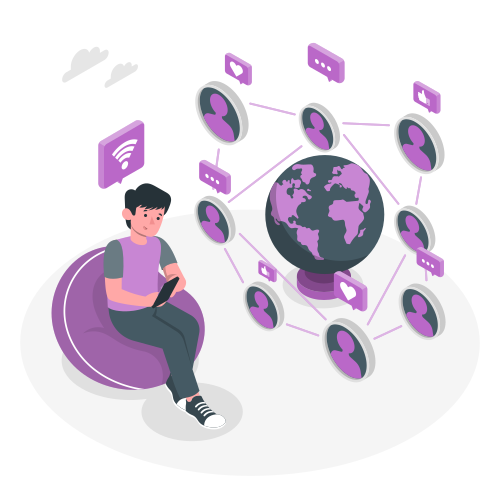
The impacts of hyperconnection
Hyperconnectivity also has a direct impact on health, as it can generate anxiety (nomophobia: heightened anxiety at the idea of not having one’s phone nearby), visual fatigue, and headaches. The development of these issues is not always linked to remote work; it stems from both professional and private environments. Indeed, digital screens are the main issue, regardless of the workspace involved (office, home, coworking space, etc.).
It is clear that a decline in employees’ quality of life can have a negative impact on work efficiency as well as on absenteeism rates within the organization. Hyperconnectivity therefore represents a financial cost that companies can avoid by implementing appropriate strategies.
Target hyperconnectivity behaviors in the enterprise
The Balencio platform supports you in addressing this new challenge. To combat hyperconnectivity, it is essential to identify the departments or employee groups most at risk within your organization.
Based on our questionnaires, you can identify the teams most in need of a digital disconnection policy. You then implement a methodological “detox” approach that helps employees distance themselves from the feeling of constant professional urgency and communication pressure.
With better management of your resources, you reduce the psychosocial risks associated with excessive connectivity. You significantly lessen the impact on the cognitive capacities of both employees and management. By reducing time spent connected, you enhance employees’ resilience, concentration, and motivation, and consequently boost productivity within your organization.
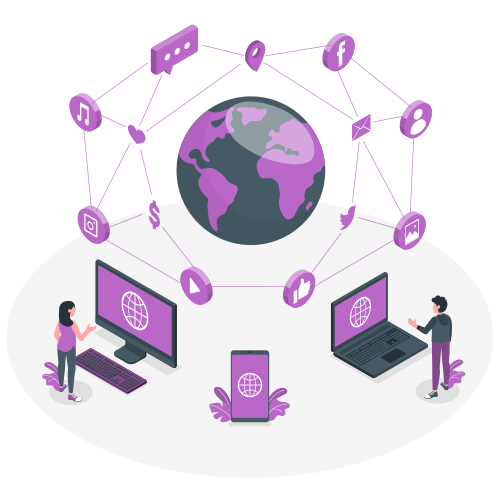
How can we offer a better life balance to our employees ?
New communication tools in the workplace have blurred the boundaries between employees’ private and professional lives. The right to disconnect is essential to preserving employees’ energy. However, it can sometimes be difficult to switch off emails during well-deserved breaks.
How can the boundaries between these two spheres be reduced? First, it is important to remember that hyperconnectivity is not synonymous with flexibility or professional enthusiasm. Breaks should be taken away from technological devices and the constant attention they require. It is therefore essential to learn how to silence digital usage, whether for notifications, urgent emails, or calls received during lunch breaks. These anti-stress strategies are easy to implement by defining appropriate working hours for connectivity within the work context.
Finally, employees must accept that both remote work and office work are time-bound and should not encroach on their private lives. Tasks that cannot be completed during the day will be resumed the following day. With proper resource management, aim to achieve a balance between the private and professional spheres of your employees.

Table des matières
Les actualités RH de Balencio directement dans votre boîte mail
